FrontStreet Coffee found the following content related to "center of gravity" for you
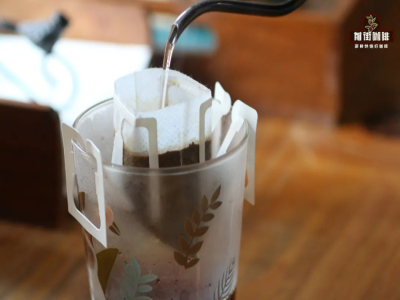
What is hanging ear coffee? The coffee powder used in hanging-ear coffee is ground from freshly roasted coffee beans. Hanging-ear coffee can retain the original flavor of the coffee to the maximum extent and is usually hot extracted. Because there will be coffee grounds, you need a filter bag! There are also some differences between instant coffee and hanging ear coffee. Hanging ear coffee
Read more →
For more knowledge about specialty coffee, please follow the WeChat public account: FrontStreet Coffee. Coffee culture has been deepening in recent years. Many coffee lovers have to have a cup of coffee every day to have the energy to "move bricks". However, not everyone can go to a coffee shop to enjoy it at any time
Read more →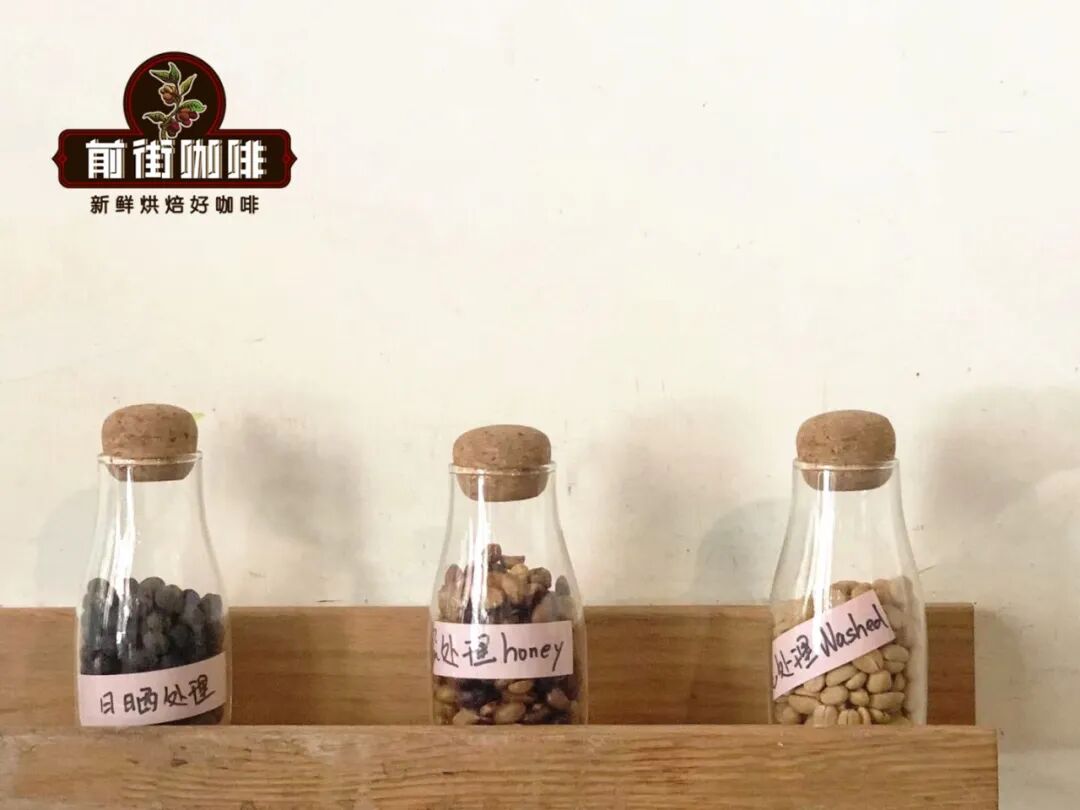
In Front Street, nearly 70% of the coffee beans are sun-dried or washed, and washed beans always give people a "more sour" impression. Why is this? (Sun-drying, honey processing, water washing) Historically, the oldest method of processing green coffee beans is the traditional sun-drying process. Simply put, it is to directly process fresh coffee cherries.
Read more →
"Does the water-washing process just wash the coffee beans?" "Does the sun-drying process mean just drying the coffee beans?" "Does the honey treatment mean adding honey to the coffee beans?" The significance of the coffee bean processing method The coffee bean itself is the core part of the coffee berry, and the purpose of the coffee processing method is to avoid damage as much as possible
Read more →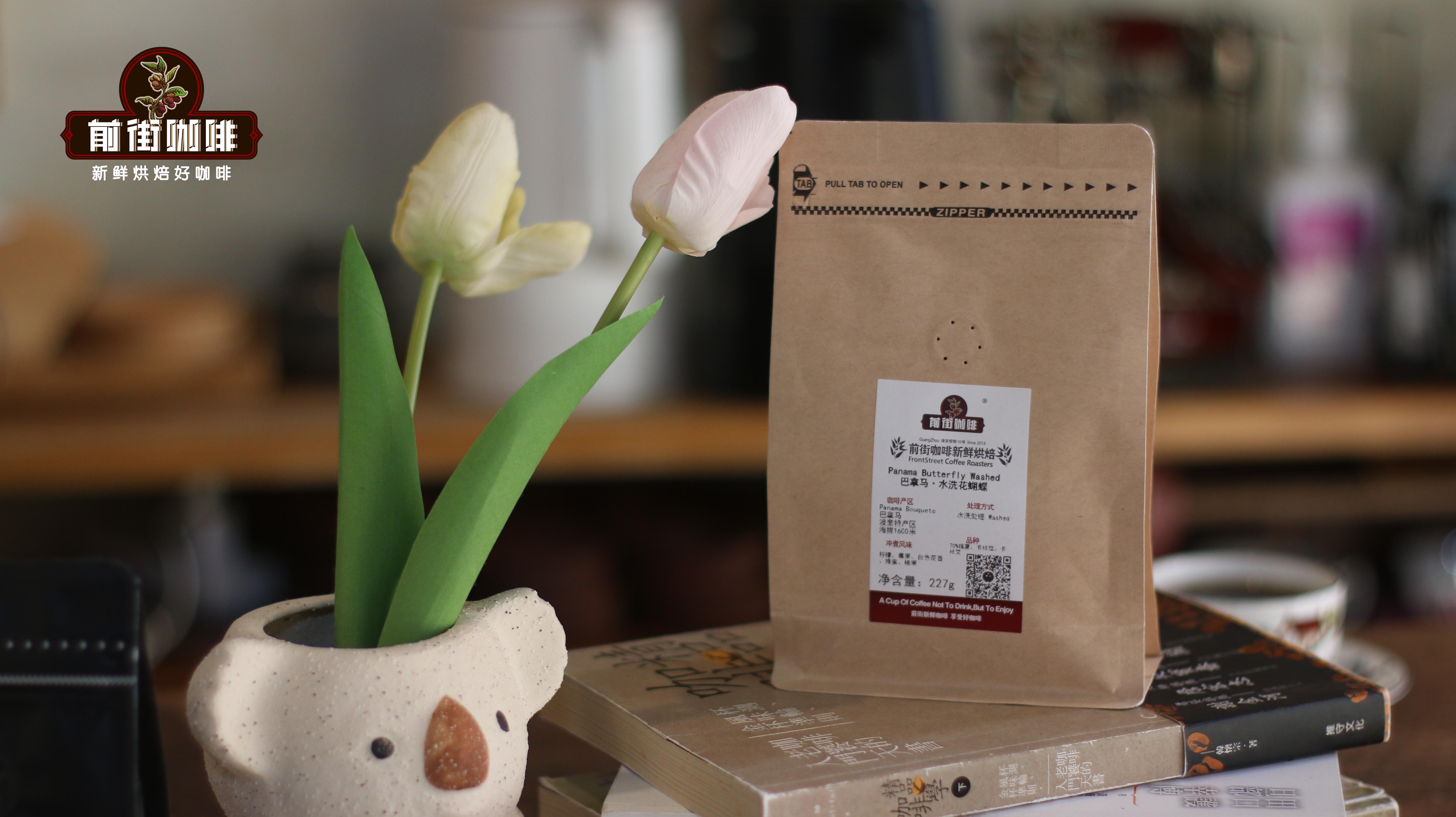
FrontStreet Coffee: Panama Boquete Butterfly Country: Panama Grade: SHB Produced
Read more →
Why is hand-brewed coffee so attractive? What’s the key to a good cup of hand-brewed coffee? In the following article, FrontStreet Coffee will introduce the basic knowledge of hand-brewed coffee, so that you can brew good coffee at home! What is pour-over coffee? Hand-brewed coffee is as the name suggests,
Read more →
Many people will ask Front Street, how long does it take to learn latte art? If you just pull out a good-looking pattern, it only takes one day if you are lucky. If you are learning to draw a pattern, it will take at least 4 days. Many people will ask, how did these four days come about? It’s very simple. On the first day, read this article on Front Street; on the second day, practice; on the third day, do it again
Read more →
If you know something about coffee, you must know that coffee beans are roughly divided into two types: Robusta coffee beans and Arabica coffee beans. They can be said to be our two most common bean species, but why is Arabica coffee more popular? So today, Front Street will share what is the difference between the two
Read more →
Why does FrontStreet Coffee insist on using a powder-to-water ratio of 1:15 when brewing hand-brewed coffee? Is this the result of a random chance, or is it the result of different brewing experiments based on some data? Let’s talk about why at the beginning of this article
Read more →
If you know something about coffee, you must know that coffee beans are roughly divided into two types: Robusta coffee beans and Arabica coffee beans. They can be said to be our two most common bean species, but why is Arabica coffee more popular? So today, Front Street will share what is the difference between the two
Read more →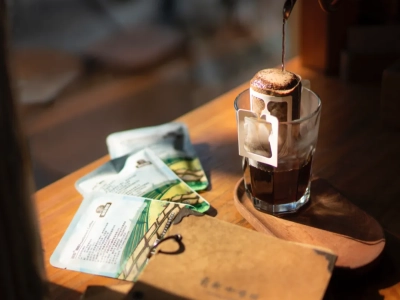
The popularity of ear-mounted coffee is far beyond our imagination. Due to its convenience, it can be taken to any place to make coffee and enjoy it! However, only ear-mounting is popular, and some people still have some deviations in how to use it. It’s not that hanging ear coffee can only use traditional
Read more →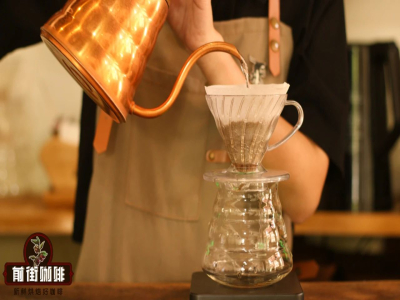
What is "hand-brewed coffee"? After coffee beans are roasted at high temperatures, a series of chemical reactions will occur to generate various aromatic substances. When we make coffee, we use water and equipment to release these aromatic ingredients. For hand-brewed coffee, the coffee beans are first ground into powder, and then hot water is injected into the powder layer to "dissolve" the substances in the coffee.
Read more →
Nowadays, when you usually go to a coffee shop, the shop provides hand-brewed coffee and espresso. Friends who usually drink less coffee may be confused about this. It’s the same coffee, what’s the difference? FrontStreet Coffee will explain to you the differences between these two types of coffee.
Read more →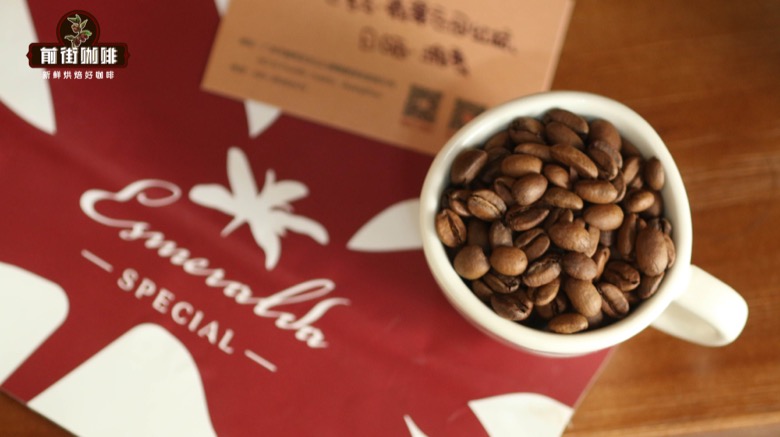
Geisha is probably a highly talked-about variety in the world of specialty coffee: its elegant jasmine aroma, citrus and black tea-like delicate flavors make many enthusiasts willing to practice brewing for it. However, Geisha is mostly lightly roasted, and the beans have a dense texture and strong exhaust, so you need to use the habit of deep-roasting beans to soak them.
Read more →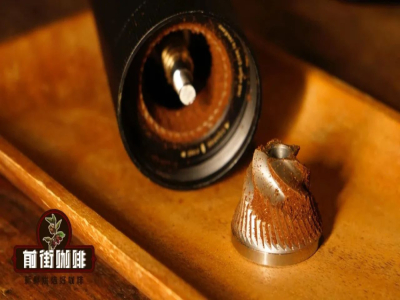
As the craze for specialty coffee sweeps across the world, more and more customers like to buy cooked coffee beans and brew them back. Many of them also ask similar questions: "The coffee I drank on the front street is so delicious, why can't I brew the same taste when I go home?" This article of Front Street will analyze and answer this question one by one. of coffee beans
Read more →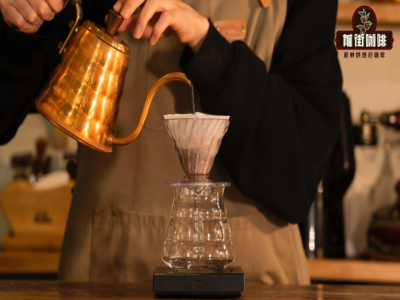
For more knowledge about specialty coffee, please pay attention to: Frontsteet Coffee’s hand-brewed coffee method often involves the size and circle speed of the water flow. In the previous discussion, Front Street separately tested the effects of water flow and circle speed on coffee.
Read more →
An introductory tutorial on the steps for making hand-brewed coffee on Front Street. When it comes to coffee beans, they can be simply divided into light roast, medium roast and heavy roast. Coffee cherries are actually like fruits. Good coffee beans will have fruity, floral, cocoa, nutty flavors, etc. Generally, the lighter the roasting, the heavier the sourness, and the more you can drink the essence of the coffee beans; conversely, the stronger the roasting, the stronger the bitterness.
Read more →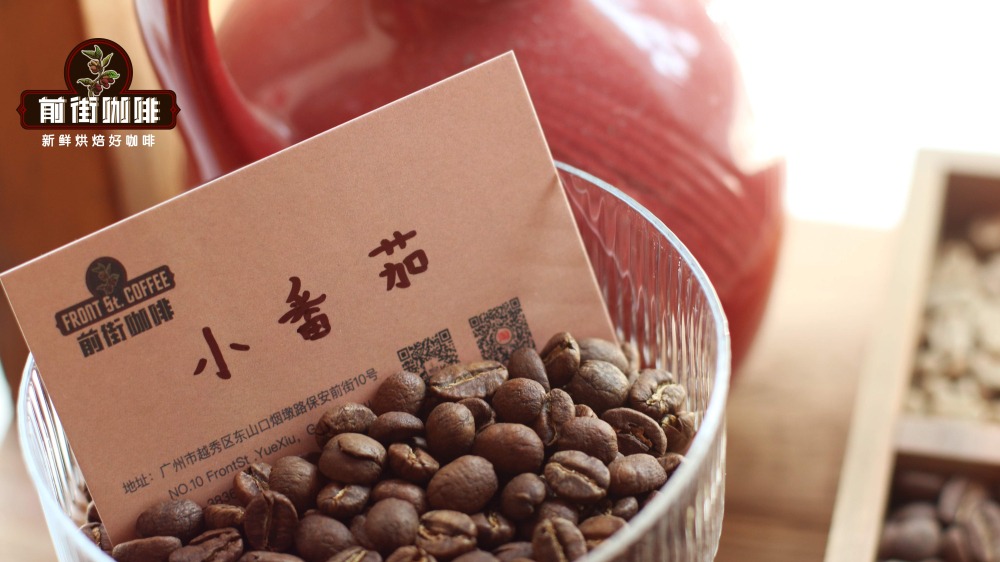
Africa is the hometown of coffee and an important center for fruit-acid flavored coffee. Among the many African growing regions, Yirgacheffe and Kenya are undoubtedly the two shining stars - both are known for their bright fruit acids, but their styles are completely different. Many coffee lovers are torn between these two beans, so today I will put them together.
Read more →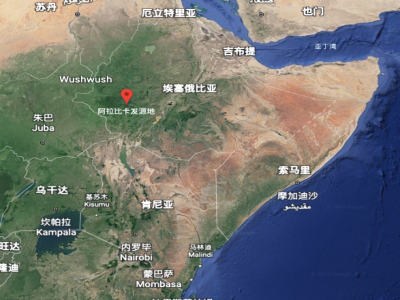
With the popularity of the concept of specialty coffee, it has become people's consensus to emphasize the regional flavor, that is, the taste of the beans themselves, at least in part. The third wave after 2000 emphasized origin and light roasting flavor. Coffees from many origins are becoming more and more familiar. Among them, Kenyan coffee is known for its bright acidity.
Read more →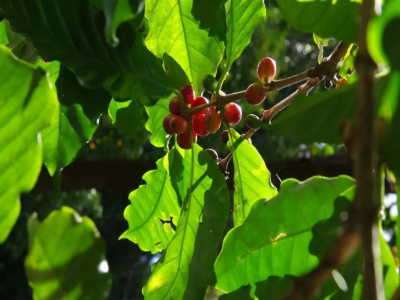
As the birthplace of coffee, Ethiopia has always been a place of pilgrimage for many coffee professionals. Many friends who come to Front Street Coffee will ask if there are Ethiopian beans or Yirgacheffe beans as soon as they come in. Yes, whether you are a coffee novice or a coffee connoisseur, Ethiopian coffee bean namin
Read more →Be the first to know about new bean releases, brewing tips, promotions and cupping notes

Scan to Follow Front Street Coffee on WeChat
